Source Stone Harvester for Corn, Rice, and Soil Cultivation
Find 30 stone harvester units available for agricultural and livestock applications. Buyers can compare models with diesel or tractor power sources, gear or soft shaft transmissions, and adjustable cutting heights for corn, rice, and cotton fields.
Key considerations
Products List


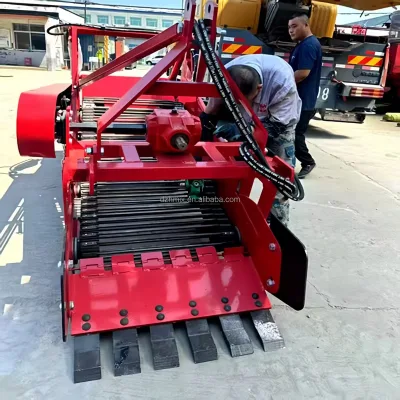
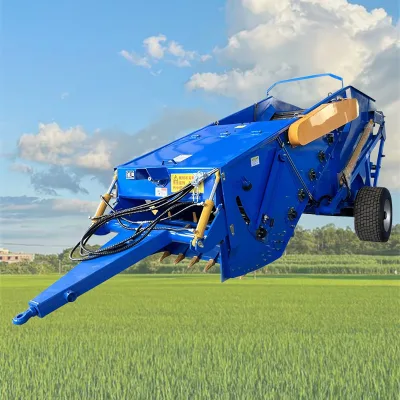


Comprehensive Sourcing Guide
Strategic Sourcing Guide for Stone Harvester Acquisition
Procuring agricultural machinery designed for stone harvesting and soil cultivation requires a disciplined approach that prioritizes technical alignment, regulatory compliance, and supply chain transparency. The global market for stone harvesters presents a diverse array of configurations, ranging from tractor-mounted units to portable backpack systems. Buyers must navigate a complex landscape where specifications vary significantly based on the target crop, soil conditions, and the specific harvesting method employed. This guide outlines the critical factors for evaluating potential suppliers and selecting equipment that meets rigorous operational standards without relying on unverified marketing claims.
Technical Specifications and Operational Capabilities
The core functionality of a stone harvester is defined by its mechanical architecture and operational parameters. When evaluating potential units, buyers must distinguish between different transmission types, as these dictate the machine's durability and maintenance requirements. The market offers both hard shaft and soft shaft transmission systems. Hard shaft transmissions are typically associated with robust, direct power delivery suitable for heavy-duty continuous running operations, while soft shaft systems may offer flexibility in specific mounting configurations. The drive type is another critical differentiator; options include gear drives and Vee belt systems. Gear drives generally provide higher torque and reliability for heavy loads, whereas Vee belt drives may offer cost advantages and simpler maintenance profiles for lighter applications.
The harvesting method is perhaps the most significant technical variable. Machines are engineered for specific actions such as cutting, picking, or uprooting. Cutting mechanisms are often designed for crops like corn, featuring adjustable cutting stubble heights that can range from 7mm to 50mm depending on the model. In contrast, uprooting mechanisms are tailored for root crops or specific soil cultivation tasks, often requiring a working depth between 15cm and 55cm. The application field further narrows the selection; some units are specialized for rice and cotton, while others are designed for general soil cultivating machinery or paddy field operations.
Power sources also vary widely. While some modern units utilize diesel engines for autonomous operation, many stone harvesters are designed as attachments requiring a tractor power source. In these cases, the matching power requirement is a vital specification, with common configurations requiring approximately 80HP to ensure efficient operation. The overall weight of the unit, which can range from lightweight portable models to heavy-duty frames exceeding 1400kg, influences transport logistics and field maneuverability. Buyers should verify the specific model number, such as 9qsz-2400 or 4U series, to ensure the machine's dimensions and capacity align with their operational needs.
Compliance and Certification Verification
In the international B2B procurement landscape, certification serves as a primary indicator of a supplier's commitment to quality and safety. The most frequently observed certifications in the stone harvester sector include CE marking and ISO 9001 standards. The CE certification indicates conformity with health, safety, and environmental protection standards for products sold within the European Economic Area. The presence of ISO 9001:2000 or similar quality management system certifications suggests that the manufacturer adheres to standardized processes for production and quality control.
However, buyers must exercise caution when interpreting certification claims. Documentation should explicitly state the scope of the certification and the specific version of the standard applied. For instance, some product listings may reference ISO 9001 in conjunction with specific product attributes, while others may list it as a general company standard. It is essential to request valid certificates directly from the supplier rather than relying solely on product descriptions. Furthermore, the origin of the product plays a role in compliance; many stone harvesters are manufactured in specific regions of China, such as Shandong Province or Dezhou. While these regions are known for agricultural machinery production, buyers should verify that the specific factory holds the necessary export licenses and that the products meet the import regulations of the destination country.
Cost Drivers and Pricing Structures
The pricing of stone harvesters is influenced by a multitude of factors, including the complexity of the design, the power source, and the level of automation. The observed market price range is extensive, spanning from approximately $100 to $120,000. This variance reflects the difference between simple, manually operated or tractor-mounted attachments and fully automated, self-propelled units. The Minimum Order Quantity (MOQ) is another critical cost driver, with typical ranges observed between 1 and 50 units. Smaller MOQs allow for greater flexibility in testing new equipment, while larger orders may unlock volume discounts.
Beyond the unit price, buyers must consider the packaging and shipping costs. Product packing can vary from nude shipping to specialized iron frame or wooden box packaging. The choice of packaging directly impacts the cost of logistics and the risk of damage during transit. For heavy machinery, iron frame packaging is often preferred for its durability, while wooden boxes may be used for more delicate components. The overall weight of the machine, which can be as high as 1450kg for certain models, significantly affects freight charges. Additionally, the standard dimensions of the product, which can reach lengths of over 6 meters in some configurations, may require specialized transport arrangements.
Typical Applications and Field Suitability
Stone harvesters are designed to address specific agricultural challenges, and their suitability depends heavily on the application field. The primary applications include corn harvesting, rice cultivation, and cotton processing. For corn, machines with vertical cut capabilities and adjustable stubble heights are essential to minimize crop loss and ensure clean harvesting. In paddy fields, the machinery must be capable of continuous running operation and often requires specific adaptations for wet soil conditions.
The type of harvester also dictates its application. Portable harvester types, such as backpack models or side-hanging types, are ideal for small-scale farms or terrains where large machinery cannot operate. These units are often characterized by their compact size and ease of transport. Conversely, tractor-mounted units with a harvest width of 120cm are better suited for large-scale commercial farming where efficiency and throughput are paramount. The color of the machine, often green or blue, is primarily an aesthetic choice but can also indicate specific model lines or manufacturer branding. Buyers should ensure that the selected machine's application field matches their specific crop requirements to avoid operational inefficiencies.
Supplier Evaluation and Origin Analysis
Evaluating suppliers requires a deep dive into their operational history and geographical location. The majority of stone harvesters in the current market originate from China, with key manufacturing hubs located in Shandong Province, Yucheng, and Dezhou. These regions have established ecosystems for agricultural machinery production, offering a wide range of models and customization options. However, the presence of a manufacturer in a specific location does not guarantee quality; buyers must verify the supplier's production capacity and track record.
Key indicators of a reliable supplier include the availability of customization services. Many manufacturers offer tailored solutions to meet specific buyer requirements, such as adjusting the working depth or modifying the drive type. The condition of the product is another critical factor; suppliers should guarantee that all units are new and have not been refurbished or reconditioned. Buyers should also inquire about the production standards, which may include specific dimensional standards or custom manufacturing protocols. Transparency regarding the production process and the ability to provide detailed technical drawings or specifications are strong indicators of a supplier's professionalism.
Quality Control and Long-Term Procurement Considerations
Ensuring the long-term reliability of stone harvesters requires a robust quality control strategy. Buyers should prioritize suppliers who adhere to strict manufacturing standards and offer comprehensive after-sales support. The condition of the product upon delivery is paramount; all units should be inspected for defects, proper assembly, and functional integrity before shipment. The use of durable materials, such as iron frames for packaging and robust transmission components, is essential for withstanding the rigors of agricultural work.
Long-term procurement considerations also include the availability of spare parts and technical support. Suppliers with a history of continuous running operation and reliable performance are more likely to provide timely maintenance services. Buyers should establish clear communication channels with suppliers to address any issues that may arise during the operational lifecycle of the machinery. Additionally, the automation level of the machine, ranging from manual operation to fully automatic systems, should be matched to the skill level of the operators and the specific needs of the farm.
Summary of Key Specifications and Variations
To facilitate a clear comparison of available options, the following table summarizes the key technical and compliance attributes observed in the market. This data serves as a reference for buyers to identify the specific configuration that best fits their operational requirements.
| Attribute Category | Observed Variations | Key Verification Points |
|---|---|---|
| Transmission Type | Hard Shaft, Soft Shaft | Verify compatibility with tractor PTO or engine type. |
| Drive Type | Gear Drive, Vee Belt | Assess torque requirements and maintenance frequency. |
| Harvest Method | Cutting, Picking, Uprooted | Match to specific crop (Corn, Rice, Cotton). |
| Power Source | Diesel, Tractor | Confirm matching power (e.g., 80HP) or engine specs. |
| Working Depth | 15-55cm | Ensure adjustability for soil conditions. |
| Cutting Stubble | 7-50mm (Adjustable) | Verify range for crop residue management. |
| Certification | CE, ISO9001:2000 | Request valid certificates and scope documentation. |
| Origin | China (Shandong, Dezhou, Yucheng) | Verify factory location and export compliance. |
| Packing | Nude, Iron Frame, Wooden Box | Assess logistics costs and damage protection. |
| Condition | New | Confirm no prior usage or refurbishment. |
In conclusion, sourcing a stone harvester involves a meticulous evaluation of technical specifications, compliance documentation, and supplier reliability. By focusing on the specific attributes outlined above and maintaining a disciplined approach to verification, buyers can secure equipment that delivers optimal performance and value in their agricultural operations. The diversity of the market offers solutions for nearly every application, provided that the selection process is grounded in factual evidence and rigorous due diligence.
FAQs
What transmission types are available for stone harvesters?
Stone harvesters are available with both hard shaft and soft shaft transmission systems. Hard shafts offer robust power delivery for heavy-duty operations, while soft shafts provide flexibility for specific mounting configurations depending on the model.
Which certifications should I verify for these machines?
You should verify CE and ISO9001 certifications for compliance and quality assurance. These certifications indicate conformity with safety standards and adherence to quality management processes, though you must request valid documentation directly from the supplier.
How does the power source affect the machine selection?
Machines utilize either diesel engines or require a tractor power source for operation. Tractor-mounted units typically require a matching power of around 80HP, while diesel-powered units offer autonomous operation capabilities for various field conditions.
What harvesting methods are supported by these harvesters?
Supported methods include cutting, picking, and uprooting depending on the specific crop and model. Cutting is common for corn with adjustable stubble heights, while uprooting is designed for rice and cotton applications requiring specific working depths.
Can I find portable harvester types for small farms?
Yes, portable harvester types such as backpack and side-hanging models are available for small-scale operations. These units are designed for compactness and ease of transport, making them suitable for terrains where large machinery cannot operate effectively.
What are the typical packaging options for shipping?
Packaging options include nude shipping, iron frame packaging, or wooden box configurations. The choice depends on the machine weight and dimensions, with iron frames preferred for durability and wooden boxes used for protecting delicate components during transit.
Where are these stone harvesters typically manufactured?
These harvesters are typically manufactured in China, with key hubs in Shandong Province, Yucheng, and Dezhou. Buyers should verify the specific factory location and export compliance to ensure the product meets import regulations for their destination country.